
Oswego Garage Door Guide
Weather Seals and Draughts on Oswego Garage Doors
Oswego's 1958-2003 housing stock and severe cold climate mean weather seals wear fast. Here's what to check before draughts turn into a dead opener or a cracked panel.
- Licensed & Insured
- Same-Area Service Calls
- Upfront Pricing
How Local Conditions Play In
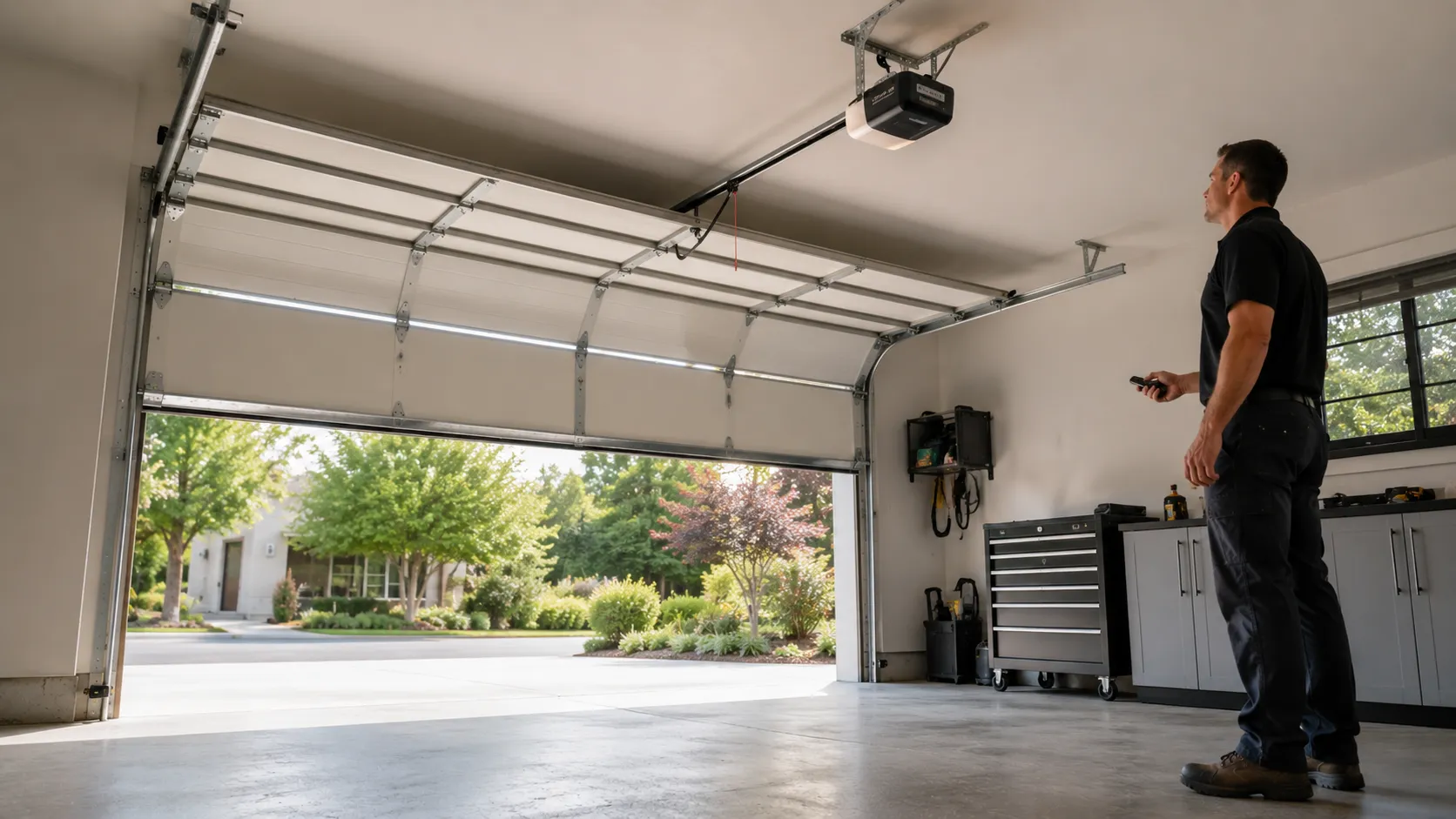
Oswego sits in a climate band the government classifies as severe cold, and that matters more for a garage door than almost anything else on the house. The bottom seal and the side weather seals are rubber or vinyl, and rubber gets brittle fast when it cycles through freeze and thaw over and over each winter. Most homes on this side of the county went up between 1958 and 2003, with the bulk of the stock dating to the 1980s and 90s across the named areas around town.
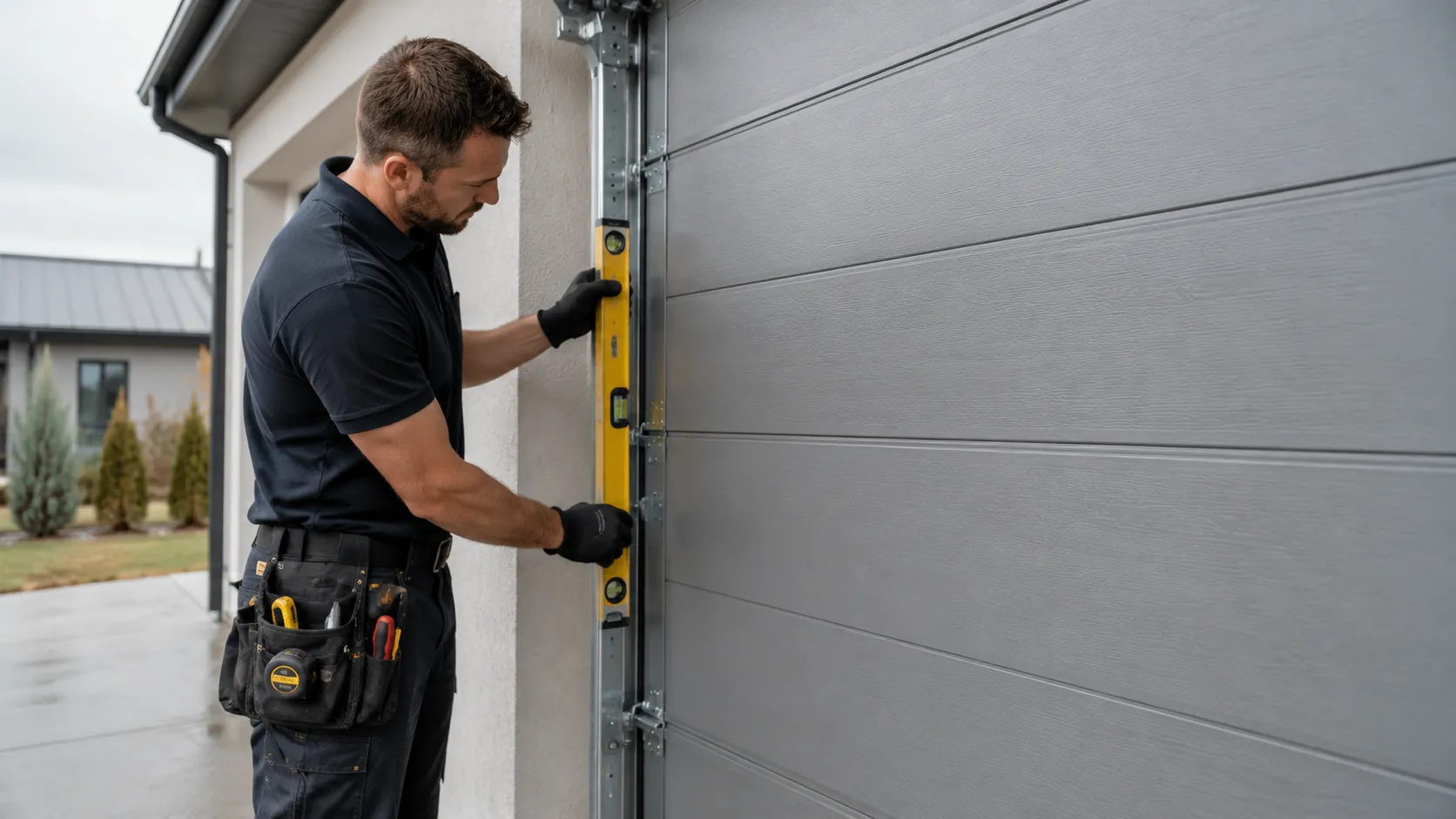
That means a lot of doors are original builder-grade units from that era, with the same thin bottom astragal and the same aluminum track that was standard then. Nobody upgraded the seal when they replaced the opener, because the seal doesn't fail all at once - it just gets a little worse every winter until you notice the cold coming under the door in a straight line. If your house dates to that mid-80s window, the seal channel on the door itself may also be the older style that doesn't take a modern thick-bead replacement without some fitting.
That's not a reason to ignore it. It's a reason to check it before the cold sets in, not after the pipes on the far wall of the garage start worrying you.
What to Look At First
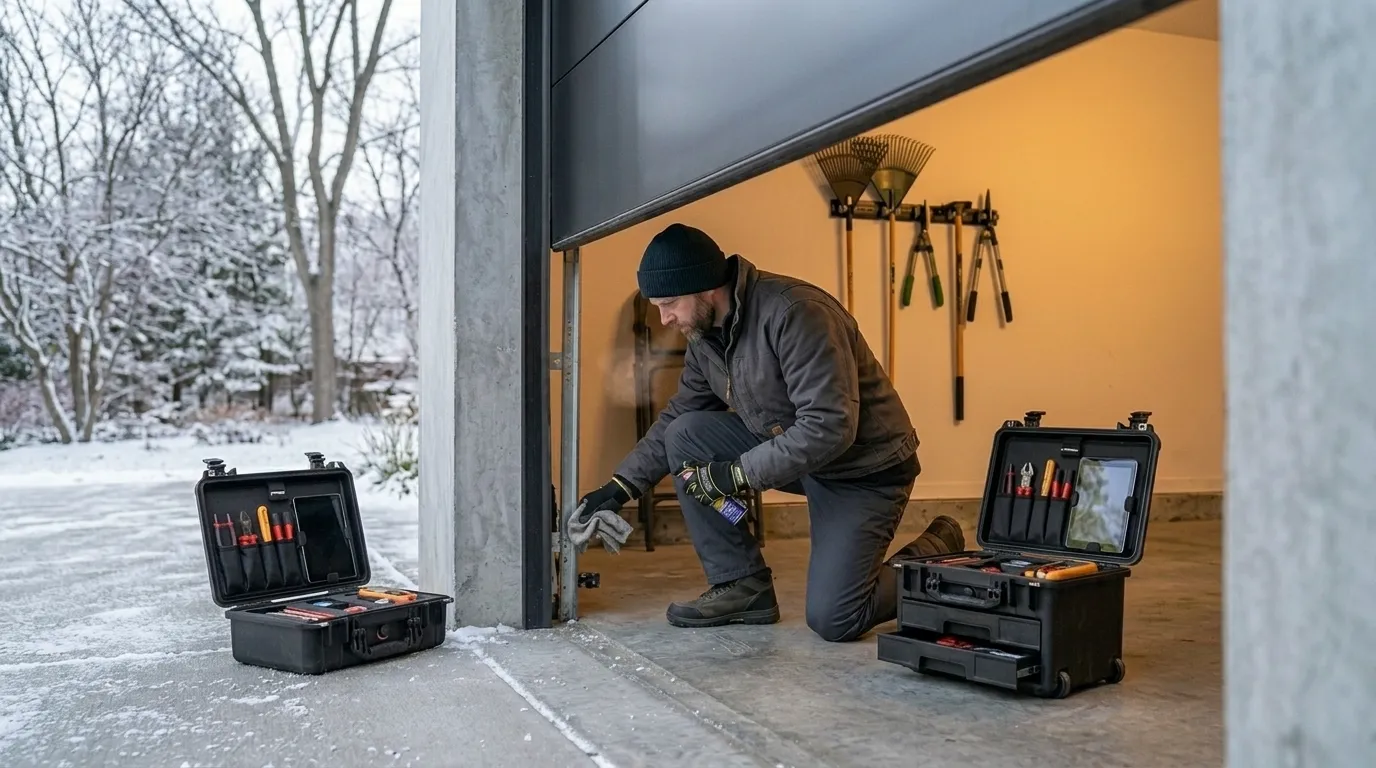
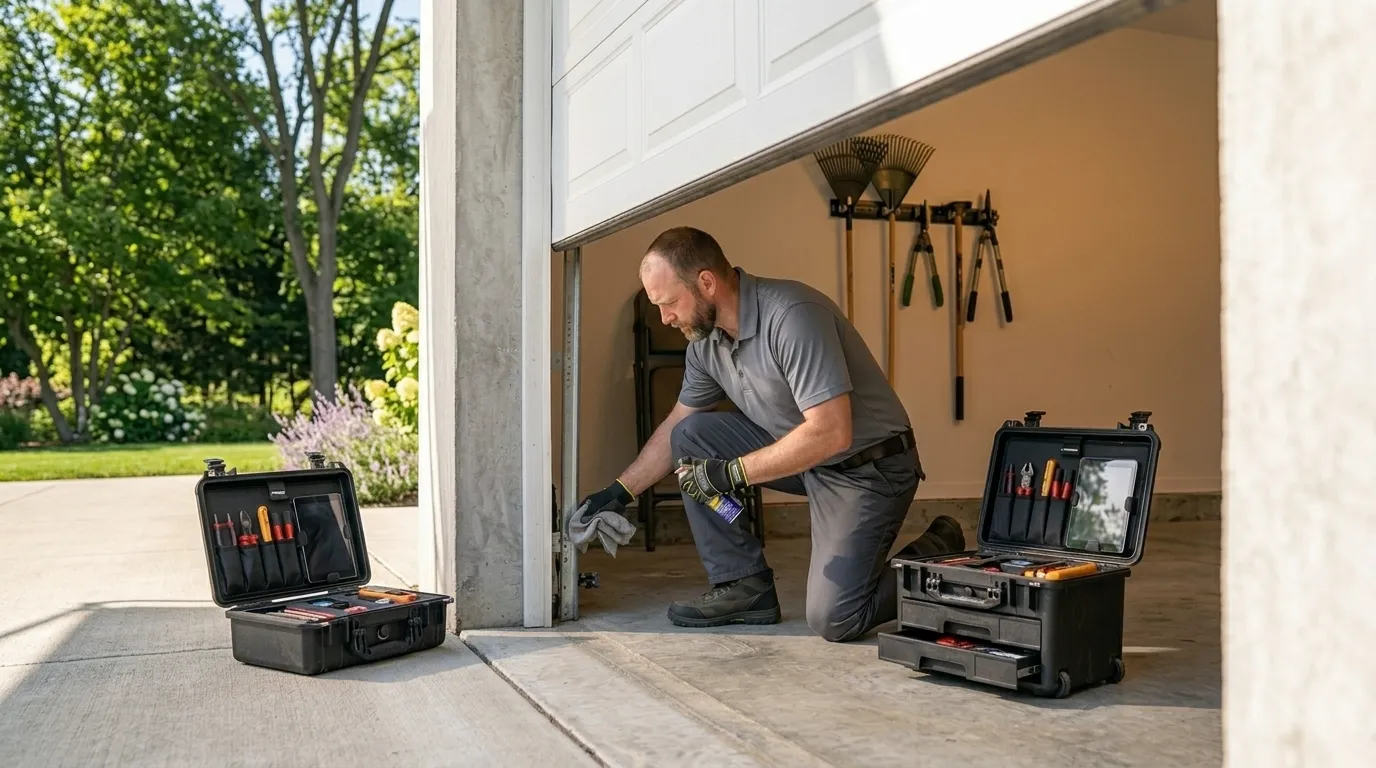
Start at the bottom seal, since that's where draughts show up first and where the rubber takes the most abuse from de-icing salt and freeze-thaw cycling. Kneel down with the door closed and look for daylight along the floor - if you can see a line of light, cold air is getting the same path in. Next check the side and top seals where the door meets the frame; on 1980s and 90s builder-grade doors these are often stapled or nailed in a track that has loosened over the decades, not clipped into a retainer.
Press on the seal with your thumb. If it's stiff and doesn't spring back, it's past useful life - severe cold makes vinyl seals go hard well before they visibly crack. Also look at the threshold itself.
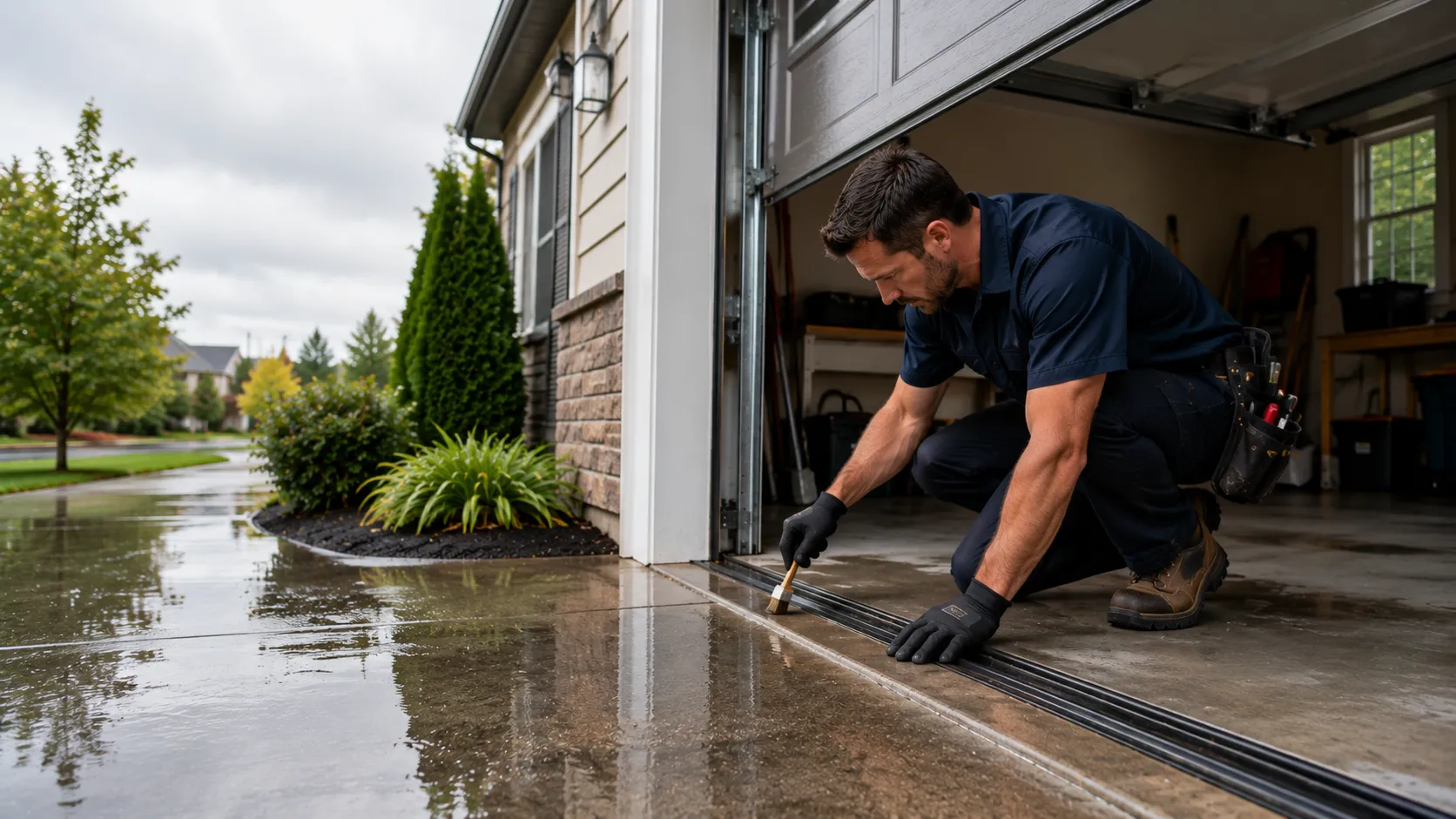
Older slabs in this housing era were often poured without a integrated door seal, so even a new bottom seal won't stop draughts if the concrete has settled or cracked at the edge. That's a repair some owners can live with and some can't - it depends how much the garage is used as living space. One honest limit here: a seal replacement fixes air infiltration, not a warped panel or a bowed track, and if the door itself is racked, new weather seals won't make it sit flush again.
The Situation
With 96,932 owner-occupied houses across the area and a median household income of $109,064, most owners here are in a position to fix a seal problem properly rather than patch it season after season. That matters because a worn seal isn't just a comfort issue - in a severe cold climate, cold air pooling at floor level in an attached garage can drop the temperature enough to stress an opener's gears and lubricant, and in some layouts it pushes cold air against a shared wall. Given the age spread on housing here, 1958 through 2003 with the median build year around 1986, a lot of doors are also due for track and roller attention at the same time as the seal, since steel rollers from that era wear grooves into the track that a new seal alone won't fix.
We don't push full door replacement on a seal complaint - most of the time a bottom astragal and side seal kit solves the draught, and the door itself, even a decades-old one, still closes true. Replacement only makes sense when the panel is delaminating or the track is bent beyond adjustment.
Season by Season
Fall is the right time to check seals in Oswego, before the first hard freeze locks a stiff or cracked seal in place for the winter. Once temperatures drop into the range typical of a severe cold climate, rubber that was marginal in October becomes actively brittle in December, and a seal that just needed replacing turns into one that's crumbling in your hand. Winter itself is the worst time to discover a draught problem - a bottom seal job that's routine in September can mean waiting on a warmer day if the existing seal has bonded to a frozen threshold.
Spring is when a lot of owners notice the damage from a winter of draughts: rust starting on lower track sections, or salt residue eating at the bottom of a steel door panel that never had good seal contact. Summer is the forgiving season, and it's also the best time to deal with any threshold or slab issue underneath the seal, since concrete work and adhesive-set thresholds need warmer, drier conditions to cure right. Given the age of housing stock here, most seals installed at construction in the 1980s and 90s are long past their working life regardless of when you last looked.
How We Can Help
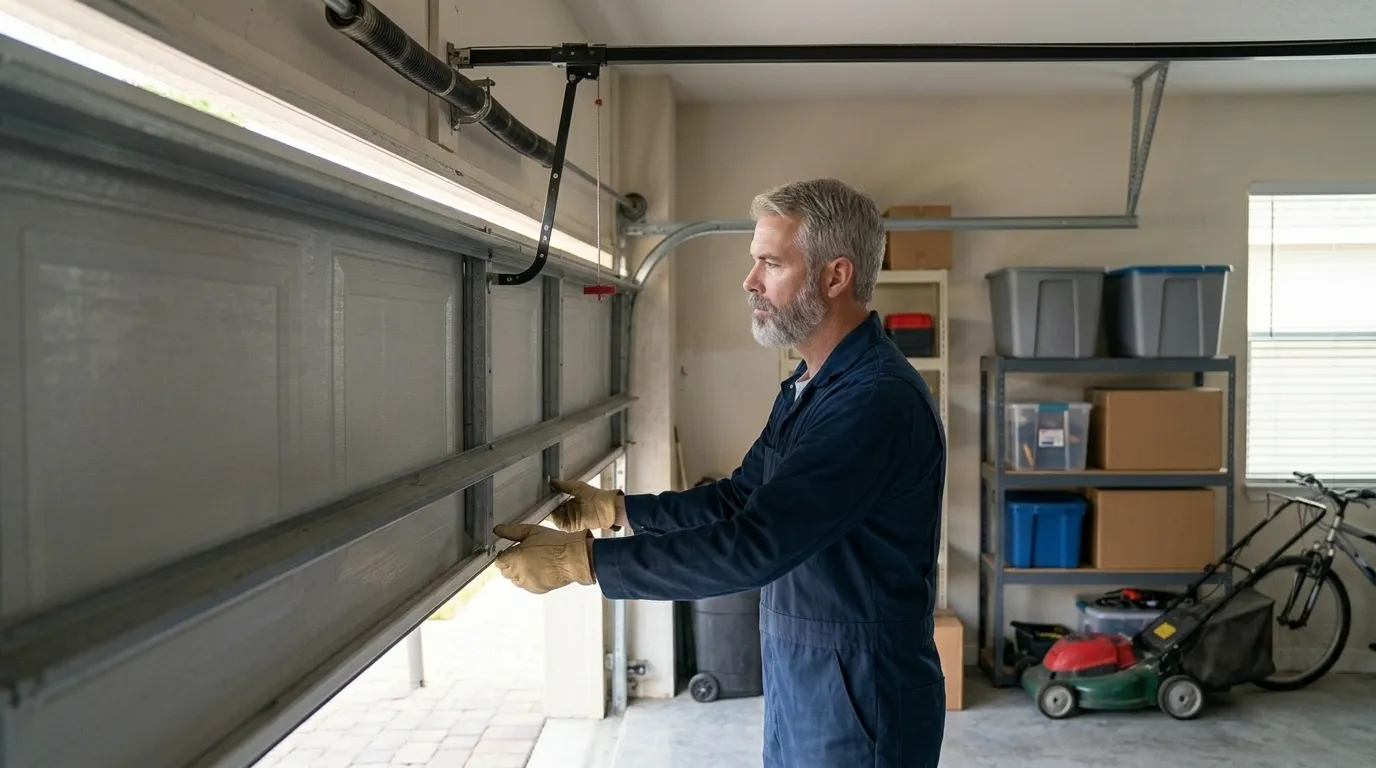
Garage Door Repair
Springs, cables, tracks, rollers, and openers fixed by a tech who explains the problem before touching anything.
Learn more →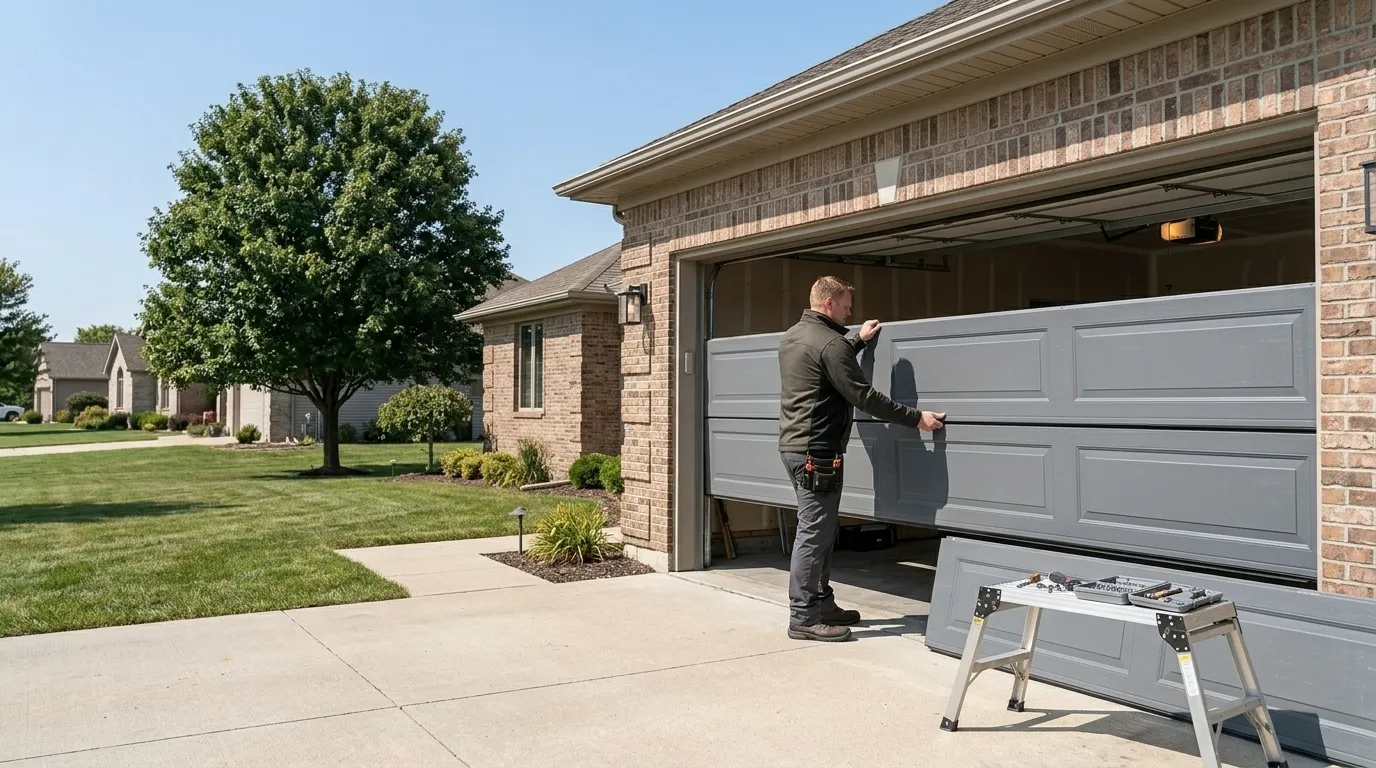
Garage Door Installation
New sectional doors sized and installed for the housing stock actually built in this area.
Learn more →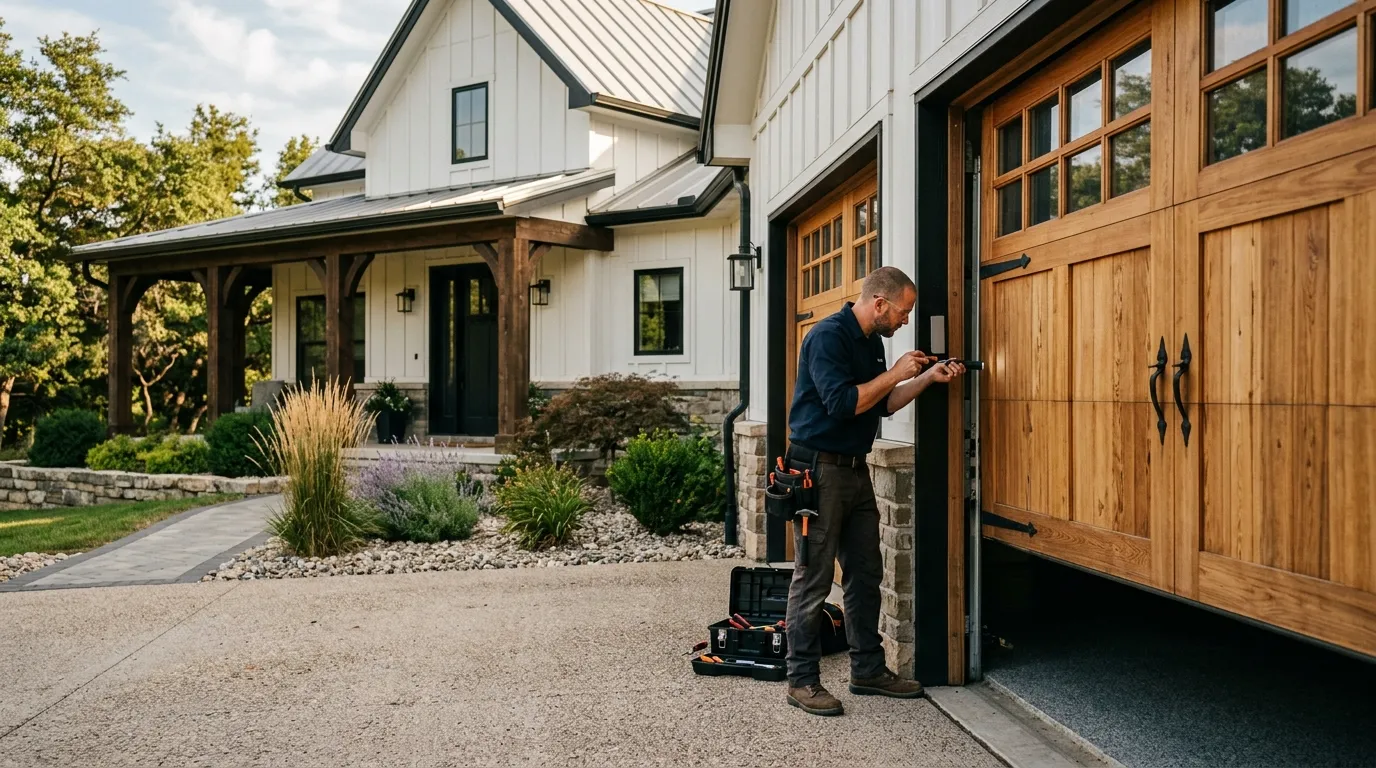
Garage Door Service
Tune-ups, lubrication, and safety checks that catch a small problem before it becomes a service call.
Learn more →Frequently Asked Questions
How often do garage door weather seals need replacing in Oswego?
There's no fixed schedule, but in a severe cold climate the rubber bottom seal typically shows wear well before it visibly cracks. If your house dates to the common 1980s-90s build era here, check the seal every fall - stiff rubber that doesn't spring back under thumb pressure is done, and waiting until winter makes the job harder.
Can I fix draughts without replacing the whole door?
Usually yes. Most draught complaints on doors from this area's typical 1958-2003 build era come down to a worn bottom astragal or loose side seals, not the door panel itself. A seal kit and track adjustment solves it in most cases - full replacement is only worth it if the panel is delaminating or the track is bent.
Why does cold air pool at floor level in my garage?
In a severe cold climate, cold air is denser and settles low, and a worn bottom seal gives it a direct path in along the floor. Combined with an older concrete threshold that's settled or cracked, which is common in housing from this area's mid-1980s median build year, that draught can be significant even with a newer seal on top.
Have a Door That Needs a Second Opinion?
Call and describe what it is doing - we will tell you what it likely is.