
Oswego Garage Door Guide
When the Power Drops, Your Oswego Opener Shows Its Age
Oswego homes built mostly 1958-2003 pair older openers with a cold, hard winter grid. Here's how that combination causes power-cut headaches for local owners.
- Licensed & Insured
- Same-Area Service Calls
- Upfront Pricing
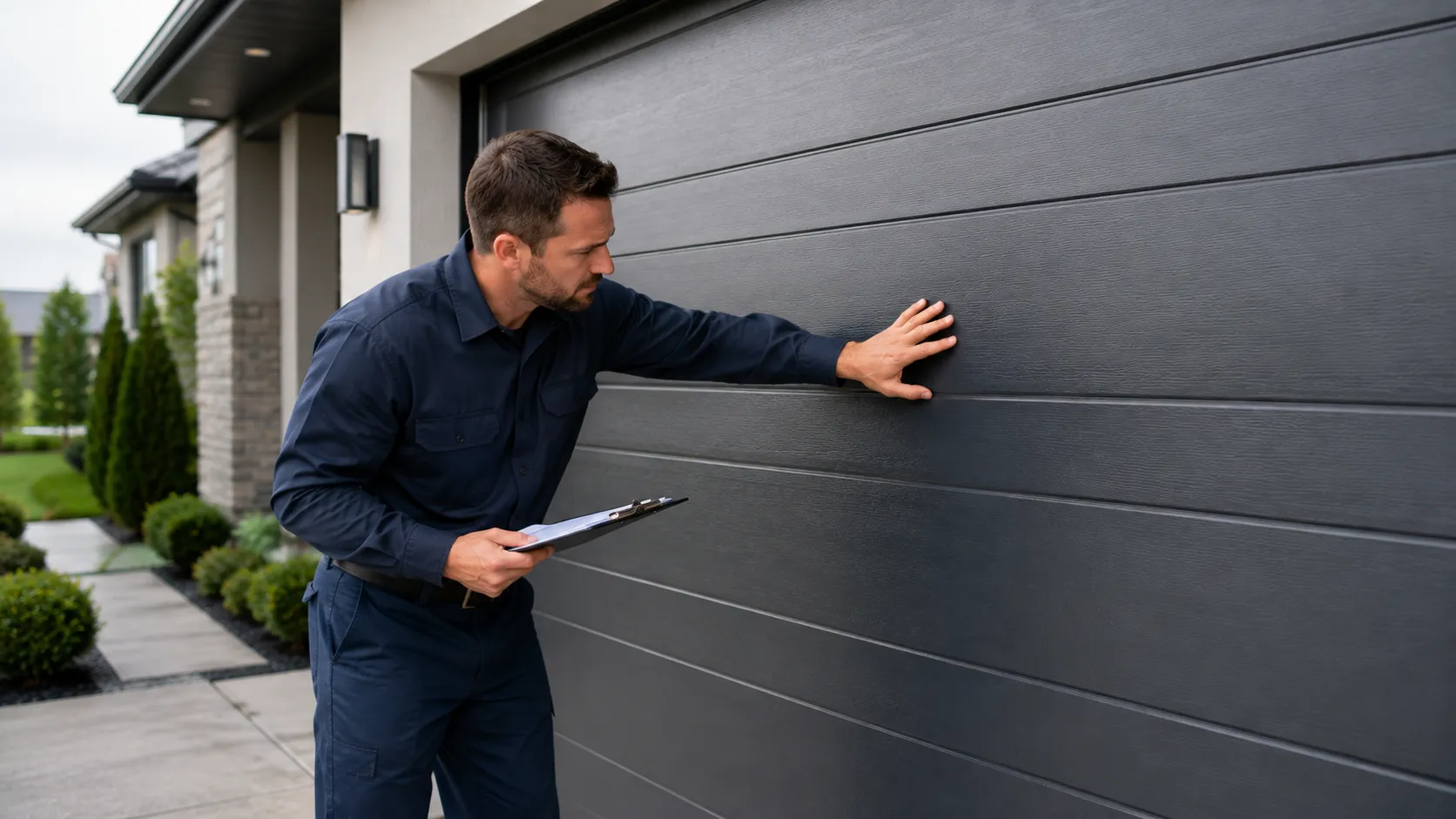
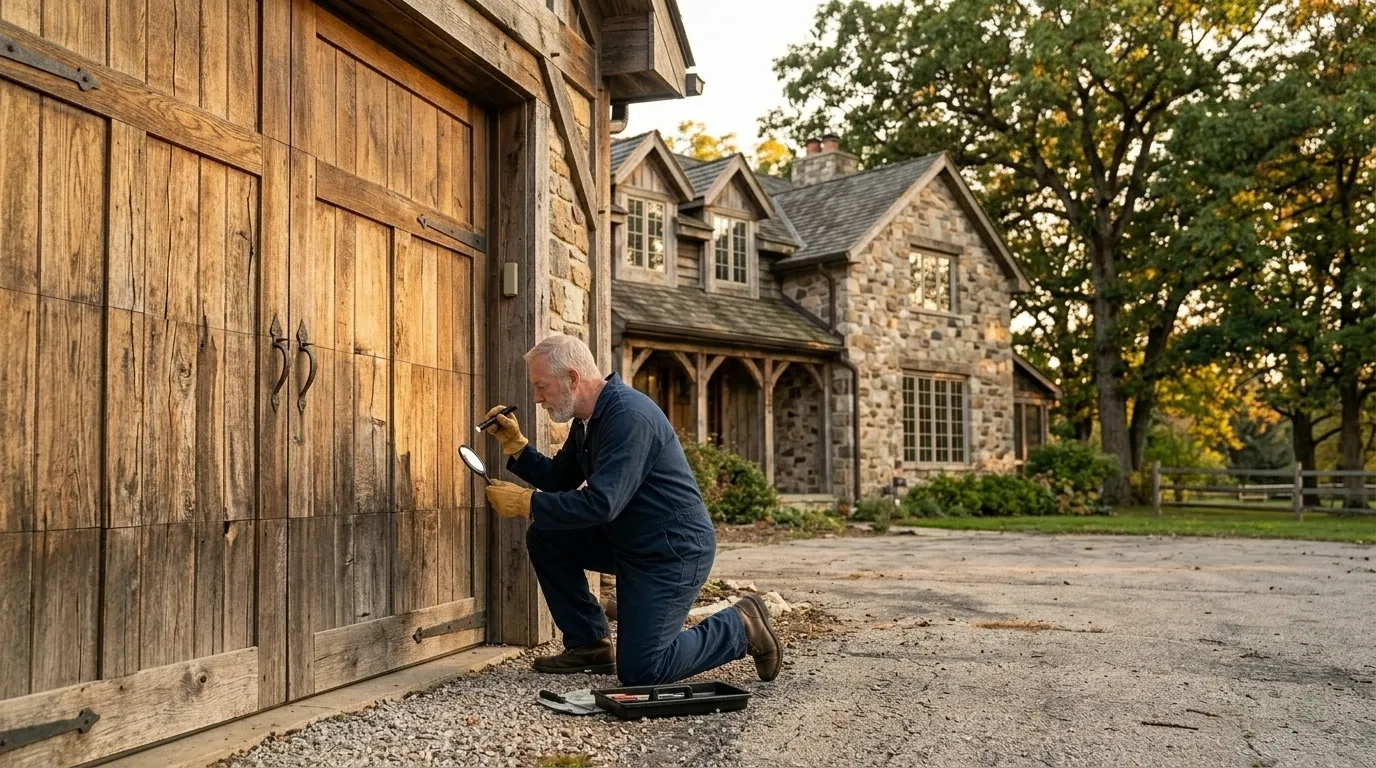
How Local Conditions Play In
Oswego's housing stock runs 1958 to 2003, with a median build year around 1986, spread across roughly 32 named subdivisions and pockets in town. That means a huge share of openers out there are original or one replacement in, running on chain-drive units and circuit boards that were never built to handle a hard winter power interruption gracefully. The service area sits in a severe cold climate band, and that combination matters more than people expect: cold snaps stress the electrical grid, and older openers don't always recover cleanly when power blinks back on.
A unit from a 1986-built house has had a long run. It's not unusual for the logic board to lose its programming, the safety sensors to fall out of alignment, or the manual release to seize up from disuse, right when a homeowner needs the door to open by hand during an outage. None of this is a defect in any one door.
It's what happens when a large, aging inventory of openers meets a climate that puts real stress on both the hardware and the power supply feeding it every winter.
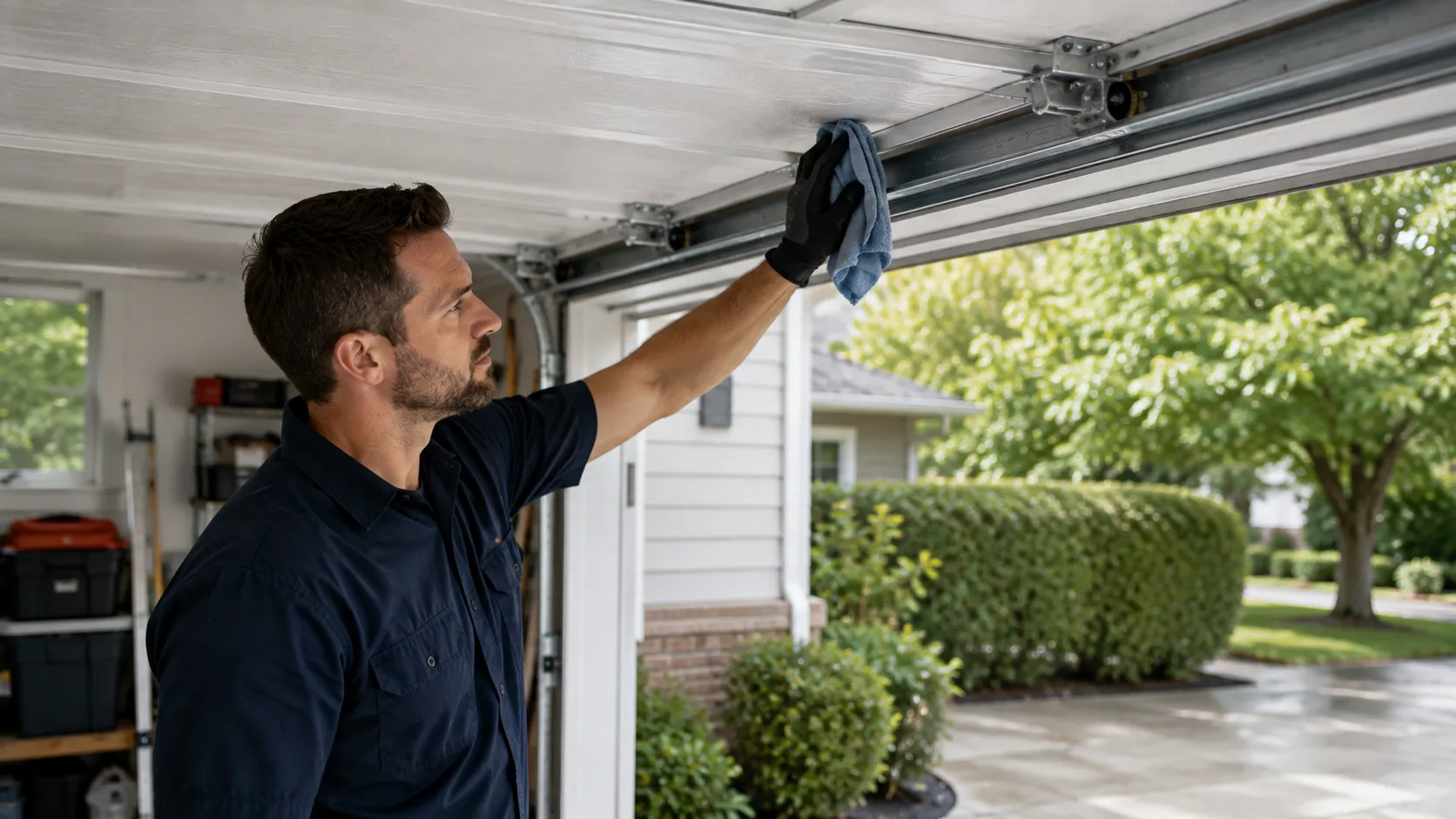
What to Look At First
Start with the manual release cord. On a house built anywhere in that 1958-2003 window, this is the part most likely to have never been touched, and it's the one thing you need working the moment power drops. Pull it once now, in daylight, not during an outage at 11pm.
Next, check whether your opener has a battery backup. Many units installed before the last decade or two don't, and in a severe cold climate a dead opener during a winter outage means a door you can't get open without climbing under it. Third, look at the wall control and the sensors near the floor.
Cold contracts plastic and metal at different rates, and on older housing stock those sensor brackets can shift out of alignment over the years, which sometimes only shows up as a fault the first time the opener tries to run cold after being unpowered. None of this requires a truck to check. It requires five minutes and a flashlight.
If the release cord doesn't move freely or the battery backup light doesn't come on, that's the item to deal with before winter, not after the first outage.
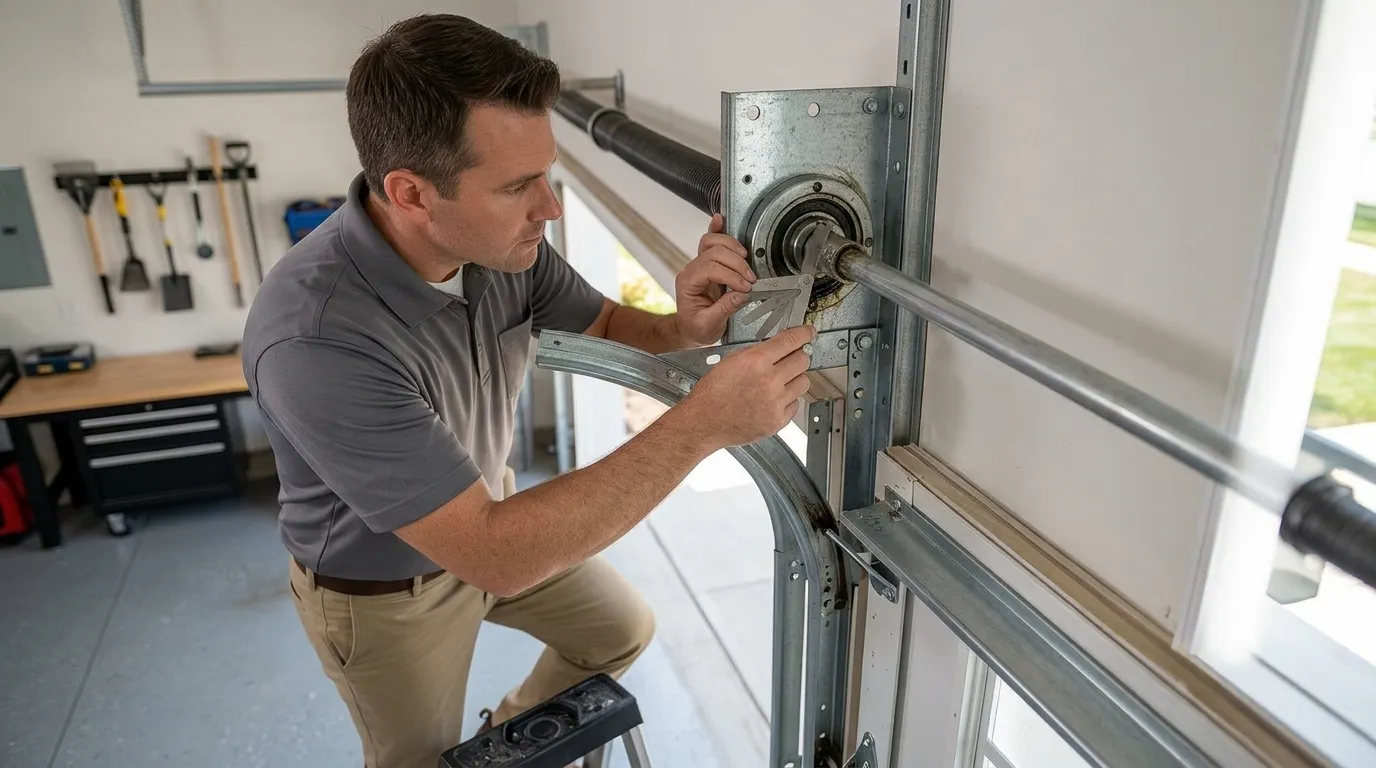
The Situation
With 96,932 owner-occupied houses across the service area and a median household income of $109,064, most owners here have the means to fix an opener properly rather than patch it and hope. That matters because a chain-drive opener from the 1980s or 90s housing boom era, paired with a cold climate that regularly stresses the power grid, isn't usually a one-time fix. If the board has failed once during an outage, it's a candidate to fail again.
We'll tell you plainly when a repair on an opener that old isn't worth it versus a full replacement with battery backup built in - that's an honest call we make on the door in front of us, not a default answer. We don't try to keep a 30-year-old logic board alive with parts that are getting harder to source. That's not where the money should go.
Season by Season
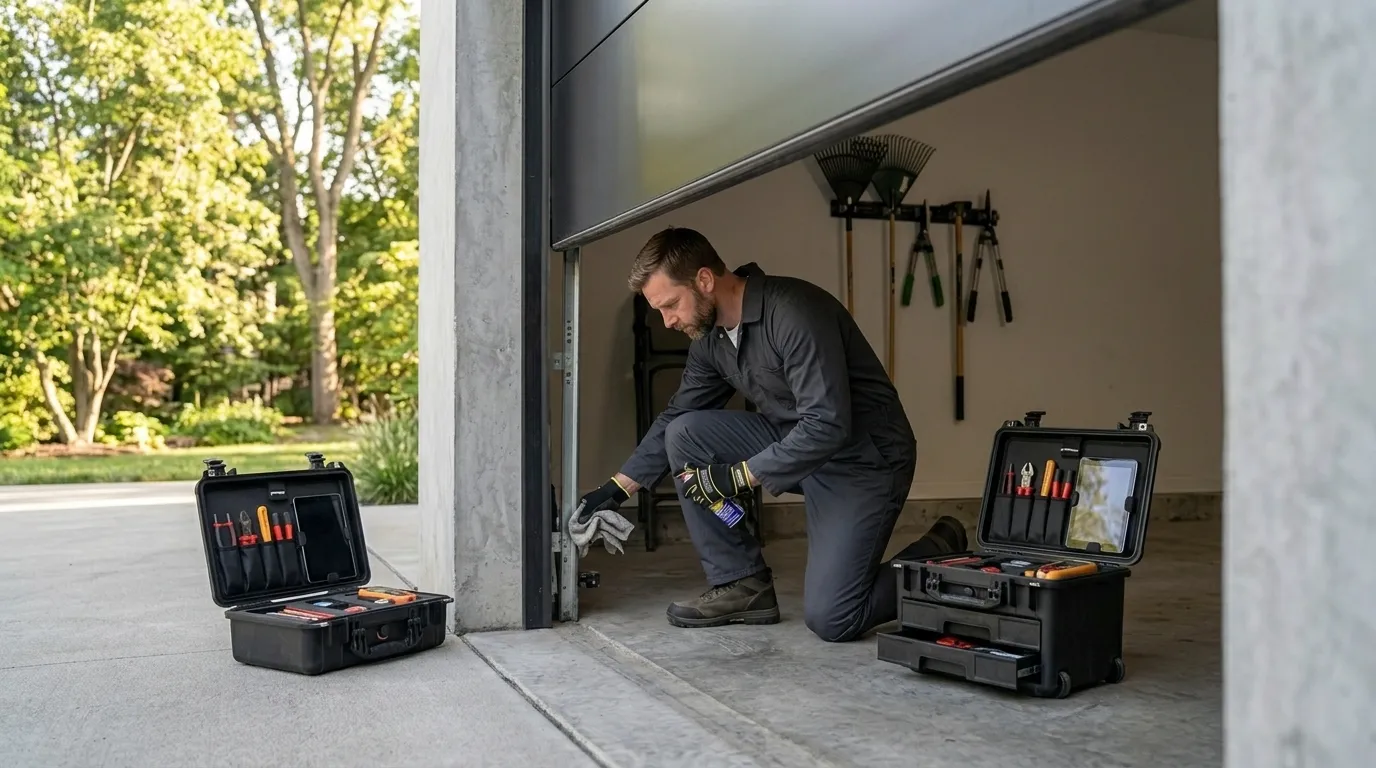
Late fall, before the real cold sets in, is when the manual release and any battery backup should get tested - not in January when the first outage hits. Deep winter is when the severe cold band does its worst work: openers that were marginal all fall tend to fail during or right after a power cut, once the cold has already stiffened the seals and hardened the grease in the rail.
Early spring, after the freeze-thaw cycle that comes with this climate, is a good time to check that sensor alignment held through the winter, since shifting foundations and cold-cracked brackets on older housing stock often show up as intermittent faults rather than outright failure. Summer is the slow season for opener trouble here, which makes it the right time to plan a replacement if your unit dates back to the earlier end of that 1958-2003 build range, rather than waiting for the next cold snap and outage to force the decision.
How We Can Help
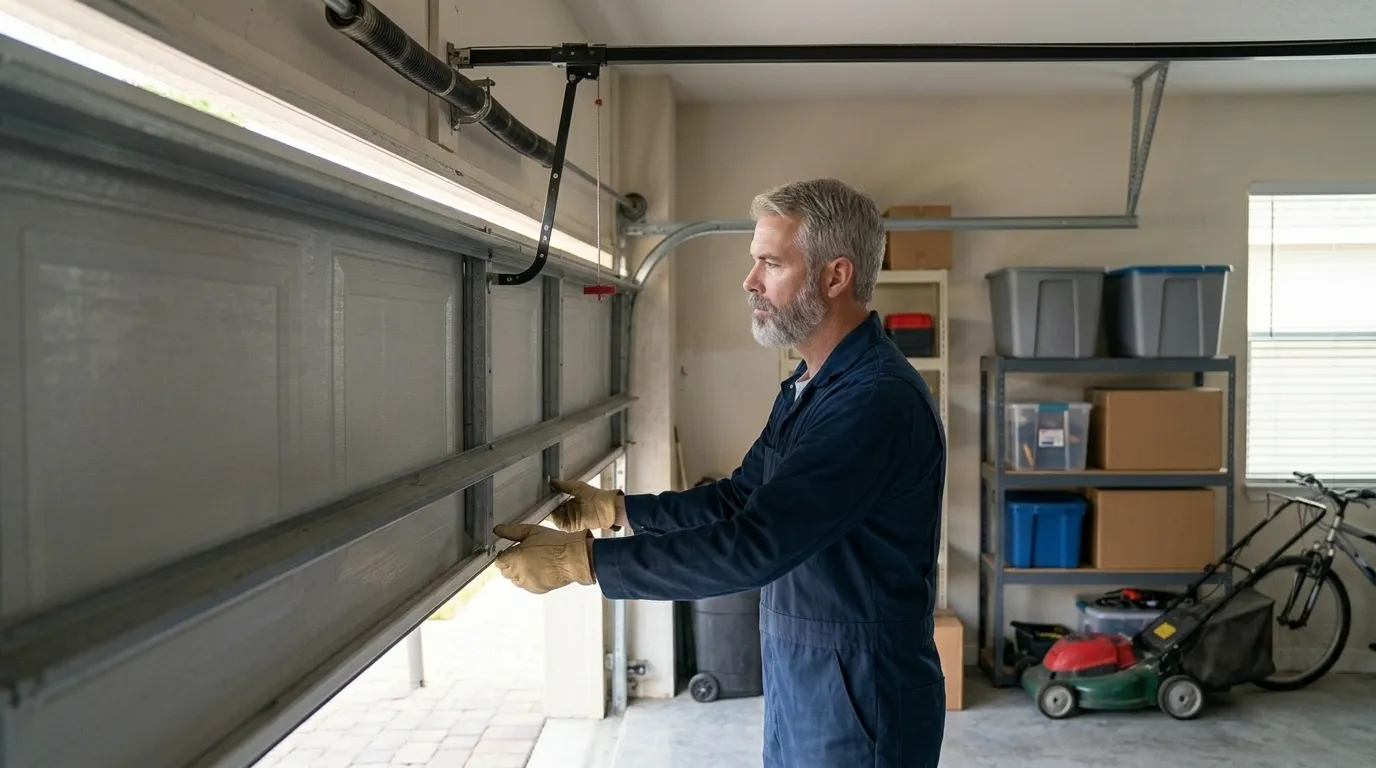
Garage Door Repair
Springs, cables, tracks, rollers, and openers fixed by a tech who explains the problem before touching anything.
Learn more →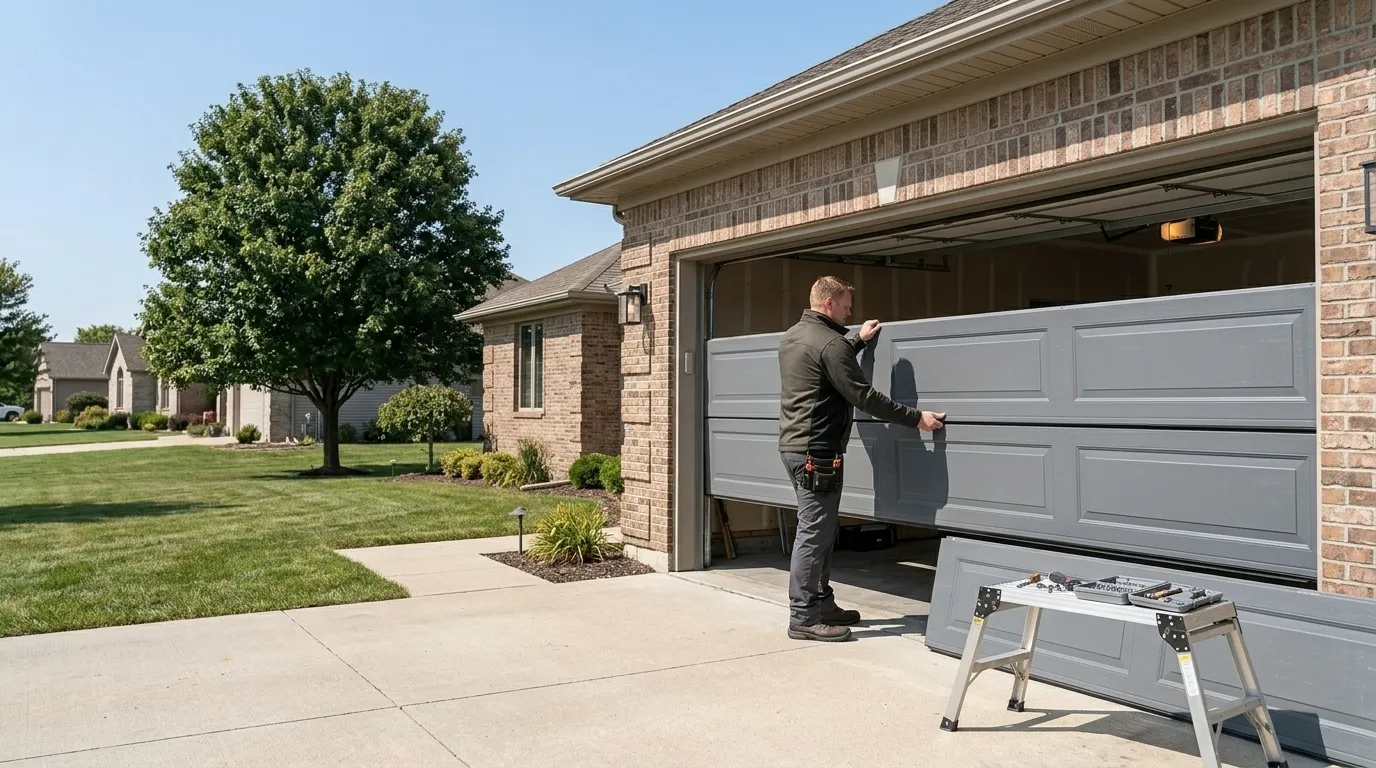
Garage Door Installation
New sectional doors sized and installed for the housing stock actually built in this area.
Learn more →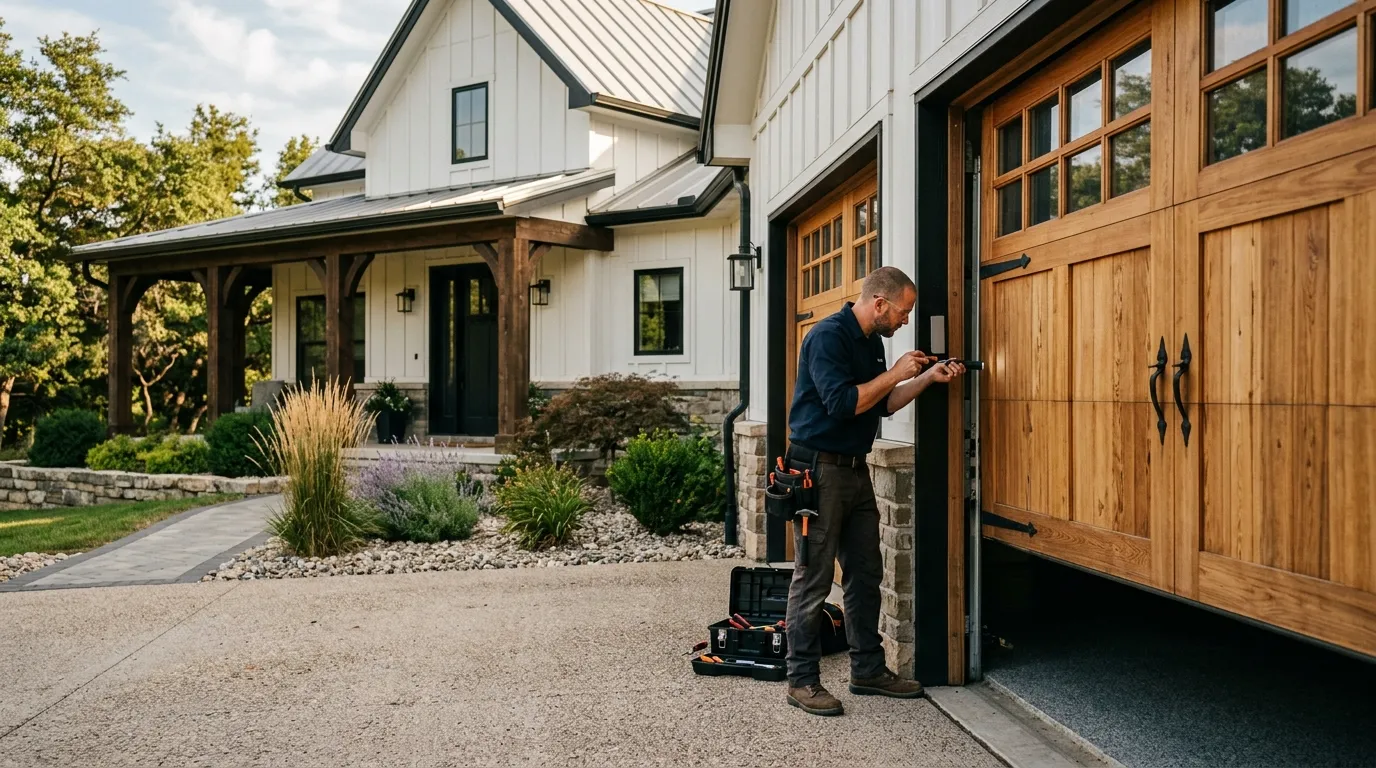
Garage Door Service
Tune-ups, lubrication, and safety checks that catch a small problem before it becomes a service call.
Learn more →Frequently Asked Questions
Why does my opener stop working every time the power comes back on after an outage?
On older units common in houses built through the 1980s and 90s here, the logic board can lose its programmed limits when power cuts out and comes back unevenly, which happens more in a severe cold climate where outages are harder on the grid. It's usually a re-program, not a full replacement, unless the board itself has failed.
Should every opener have battery backup given how cold it gets here?
It's worth having if your opener doesn't already, since a severe cold climate means outages happen and you don't want to be stuck opening a heavy door by hand at night in freezing weather. Not every older opener supports adding one - we can tell you on inspection.
My house was built in the 1980s and the opener has never been replaced - is that normal?
Very common here, since median housing age across the service area is right around 1986. It's not automatically a problem, but an opener that old has likely never seen a cold-weather outage test, and that's worth checking before winter rather than during it.
Have a Door That Needs a Second Opinion?
Call and describe what it is doing - we will tell you what it likely is.