
Oswego Garage Door Guide
Old Doors, New Cold: Insulation and Oswego's Housing Stock
Oswego homes built 1958-2003 often have garage doors with no real insulation. Oswego Garage Door Pros explains what to check before winter hits.
- Licensed & Insured
- Same-Area Service Calls
- Upfront Pricing
How Local Conditions Play In
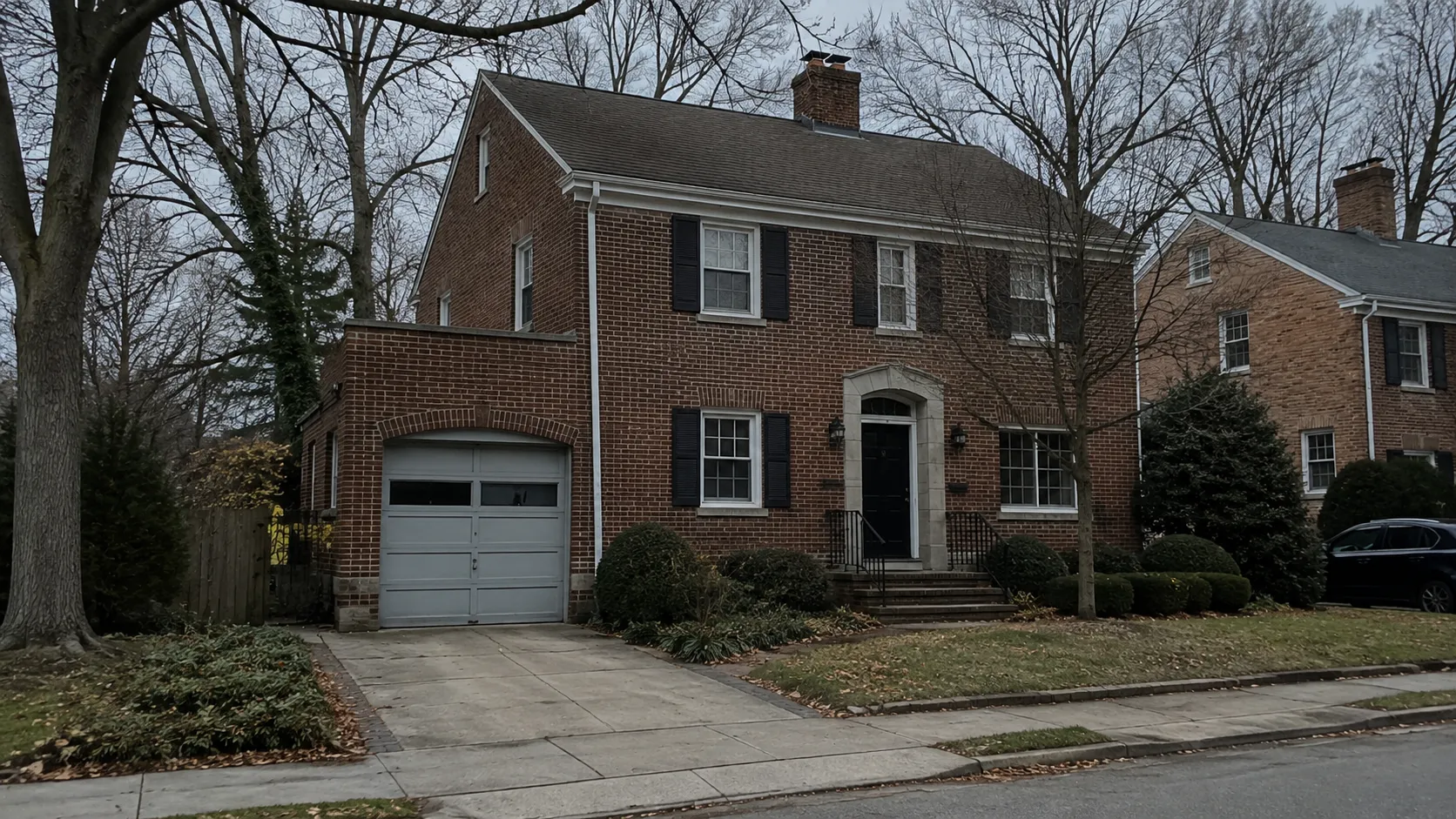
Oswego's housing went up mostly between 1958 and 2003, with the median build year landing around 1986. That range matters more than most homeowners think.
A door installed on a house built in the 1960s or early 1970s came from an era when insulated garage doors weren't standard equipment - most were a single layer of steel or wood with an air gap and nothing else. Doors on the newer end of that range, the 1980s and 90s builds that make up a lot of the neighborhoods around here, are more likely to have some foam core, but even those are thin by today's standard.
Oswego sits in a cold climate band on the severe end, which means the gap between an insulated and uninsulated door isn't cosmetic - it shows up as a cold garage, frost on the inside of the panels, and a wall of your house that's losing heat all winter. If your attached garage shares a wall with a bedroom or a laundry room, an old uninsulated door is doing more damage to your heating bill than most people realize. The build year on your house is a decent first clue as to what kind of door you're dealing with, before you even open the garage.
What to Look At First
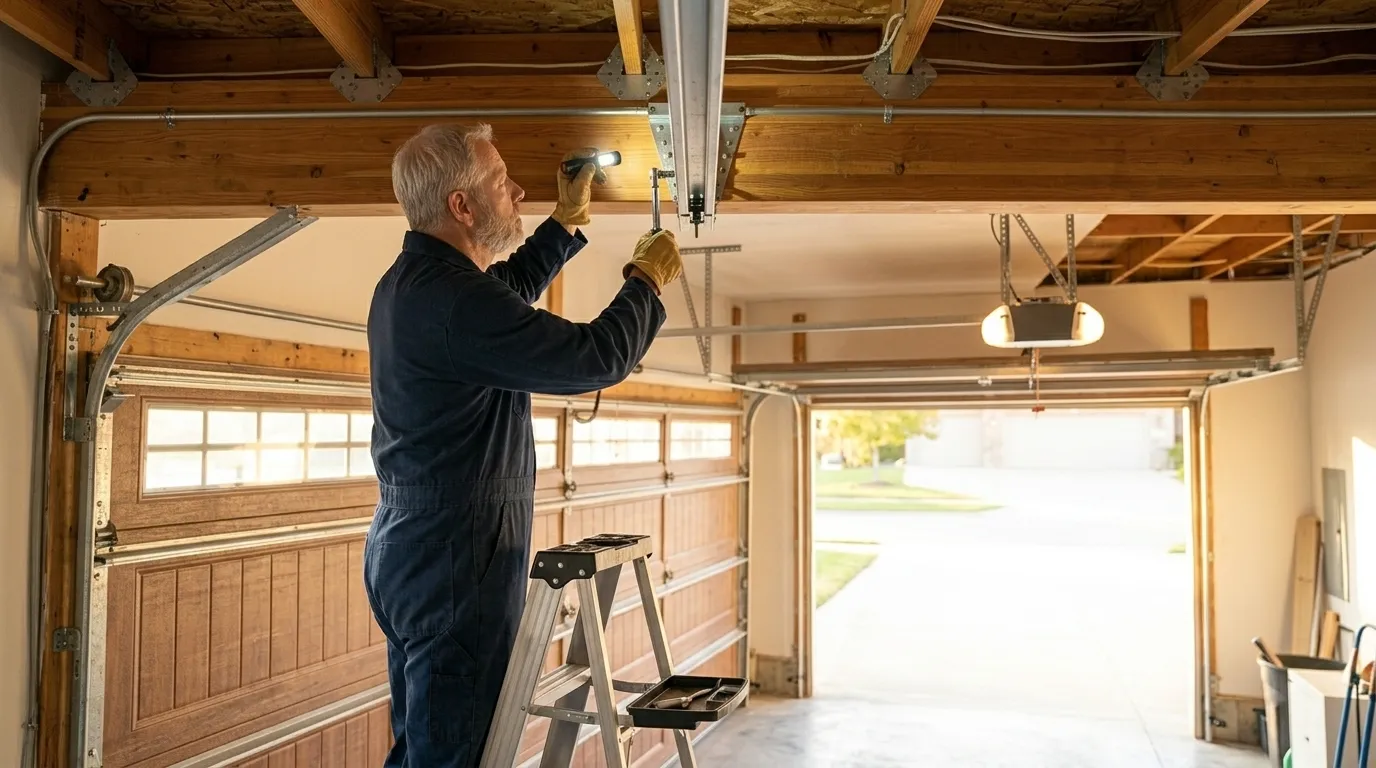
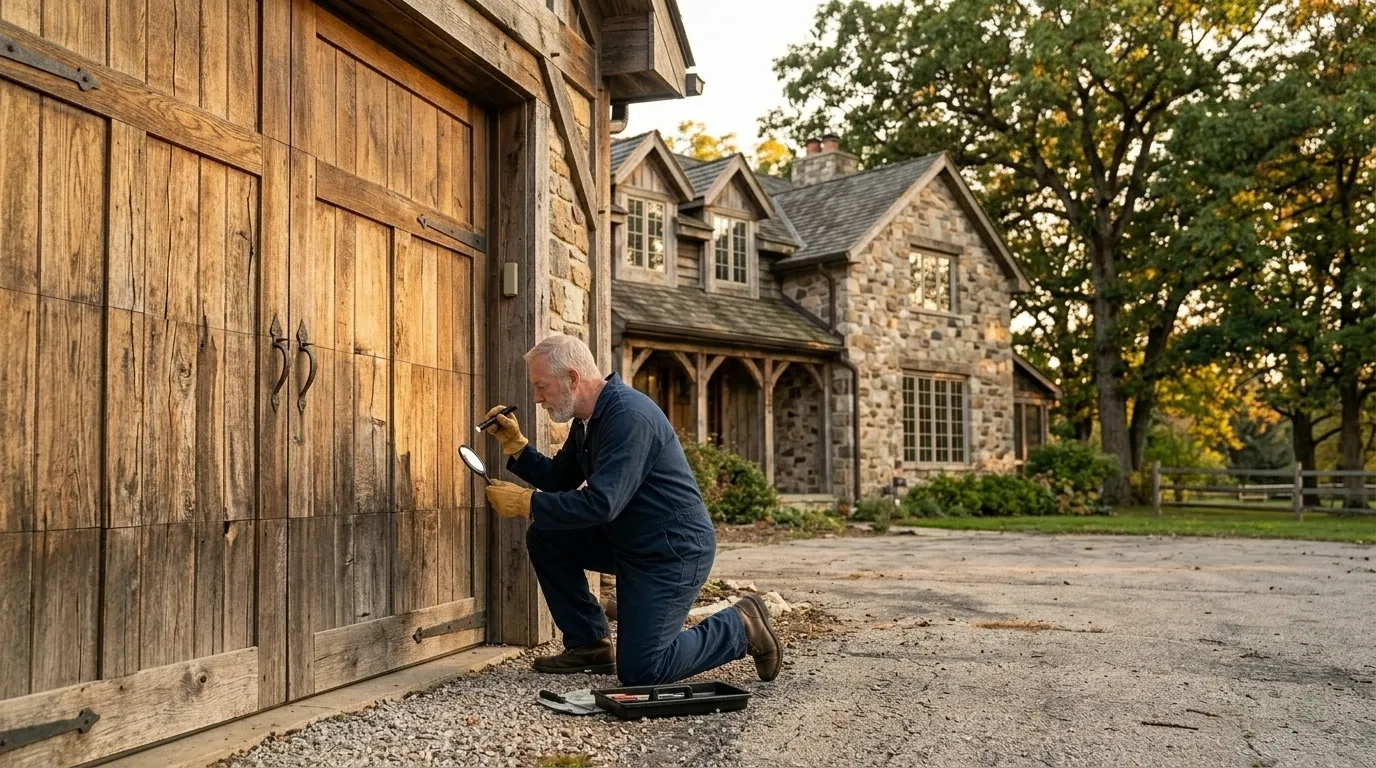
Start by looking at the edge of a panel where it's been cut or damaged - you can usually tell in two seconds whether there's foam behind the steel skin or just an air gap. If your house falls on the older end of Oswego's build range, before insulation was expected in a garage door, there's a decent chance you'll find nothing back there at all.
Next, check the weatherstripping at the bottom and sides. On a door that old, it's usually cracked, flattened, or missing outright, and that's a separate problem from the panel insulation but it compounds it - cold air gets in around the door even if the panel itself has some foam.
Last, feel around the top panel and the seam where the door meets the header. On houses built before insulated doors were common, that seam was often never sealed well to begin with, and forty-plus years of settling hasn't helped.
One honest limitation here: we can't retrofit foam insulation into an existing steel panel door. Once it's made without a foam core, it stays that way. If the panel itself is the problem, the fix is a new door, not a repair.
The Situation
Across the roughly 96,932 owner-occupied houses in this service area, income levels run a median around $109,064, which puts full door replacement within reach for a lot of households rather than a stretch. That matters because the honest answer, once you've found an uninsulated panel on an older Oswego house, is usually replacement rather than patchwork. Weatherstripping and a bottom seal help, but they don't fix a steel panel with no foam behind it.
The 32 named areas that make up this part of the county mostly carry 1980s and 90s housing stock, per the local build data, so this isn't a problem limited to a handful of older blocks - it's spread across a wide swath of houses that are now old enough that their original doors are reaching the end of their service life anyway, insulation aside.
Nearby towns like Boulder Hill, two miles off, and Montgomery, three miles out, sit in the same general housing era and climate band, so if you've talked to a neighbor there about a door swap, the reasoning holds here too. Yorkville, five miles out, and the towns further beyond it trend a bit newer or older depending on when that particular subdivision went in.
Season by Season
Fall is when an uninsulated door in this climate starts to matter. Once nighttime temperatures drop, a garage with no insulated door behaves almost like an outdoor space, and anything you're storing that doesn't like freezing - paint, some tools, a second fridge - is exposed. This is the point to check weatherstripping and consider whether a panel swap makes sense before the cold really sets in.
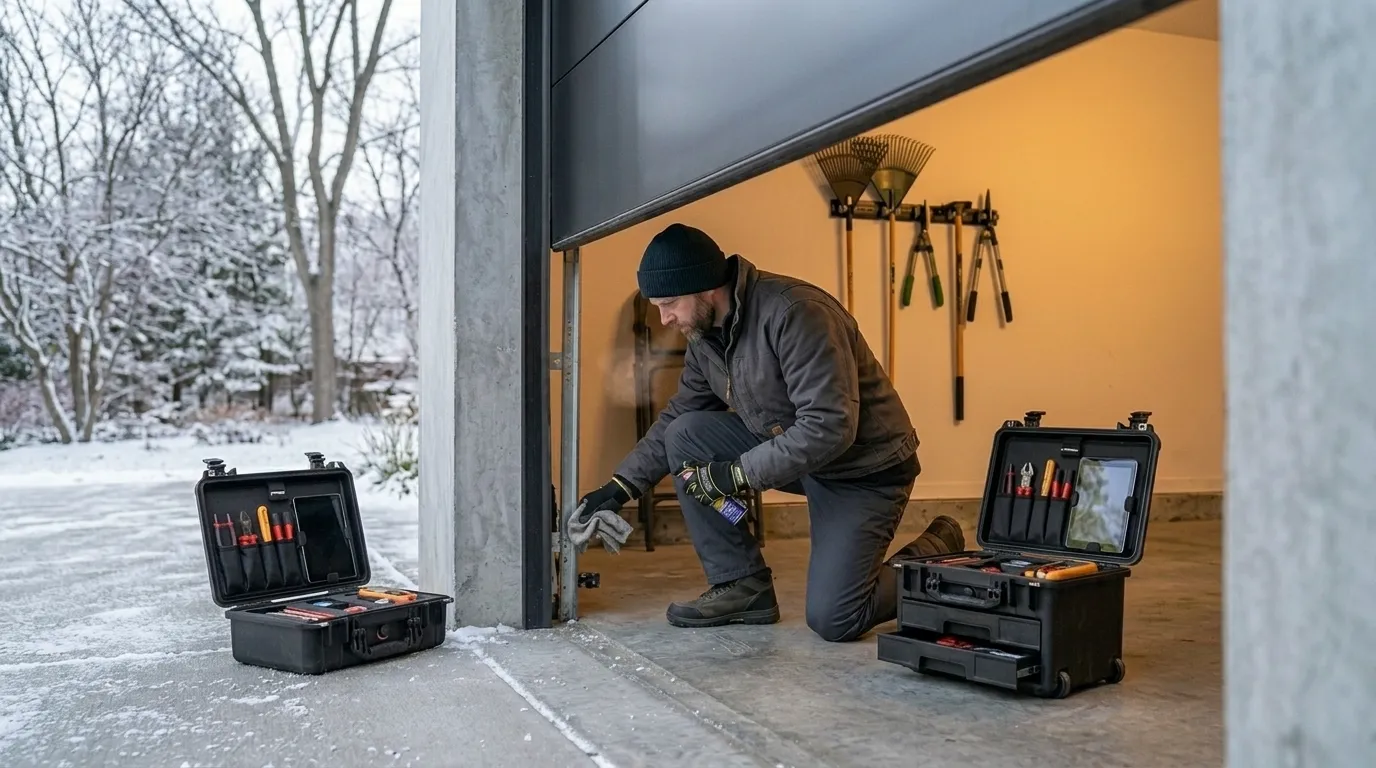
Winter, in Oswego's severe cold band, is where the difference between an insulated and uninsulated door shows up hardest. Condensation and frost on the inside face of an old steel door are common, and if the garage is attached, that cold radiates through the shared wall.
Spring is repair season for whatever the cold cracked - rollers that seized, a bottom seal that tore loose from ice, hardware that got brittle. It's a good time to look at the door as a whole rather than just patching the winter damage.
Summer is the slow season and the best time to plan a full door replacement if the panel itself is the underlying issue, since there's no rush against falling temperatures and lead times tend to be shorter.
How We Can Help
Garage Door Repair
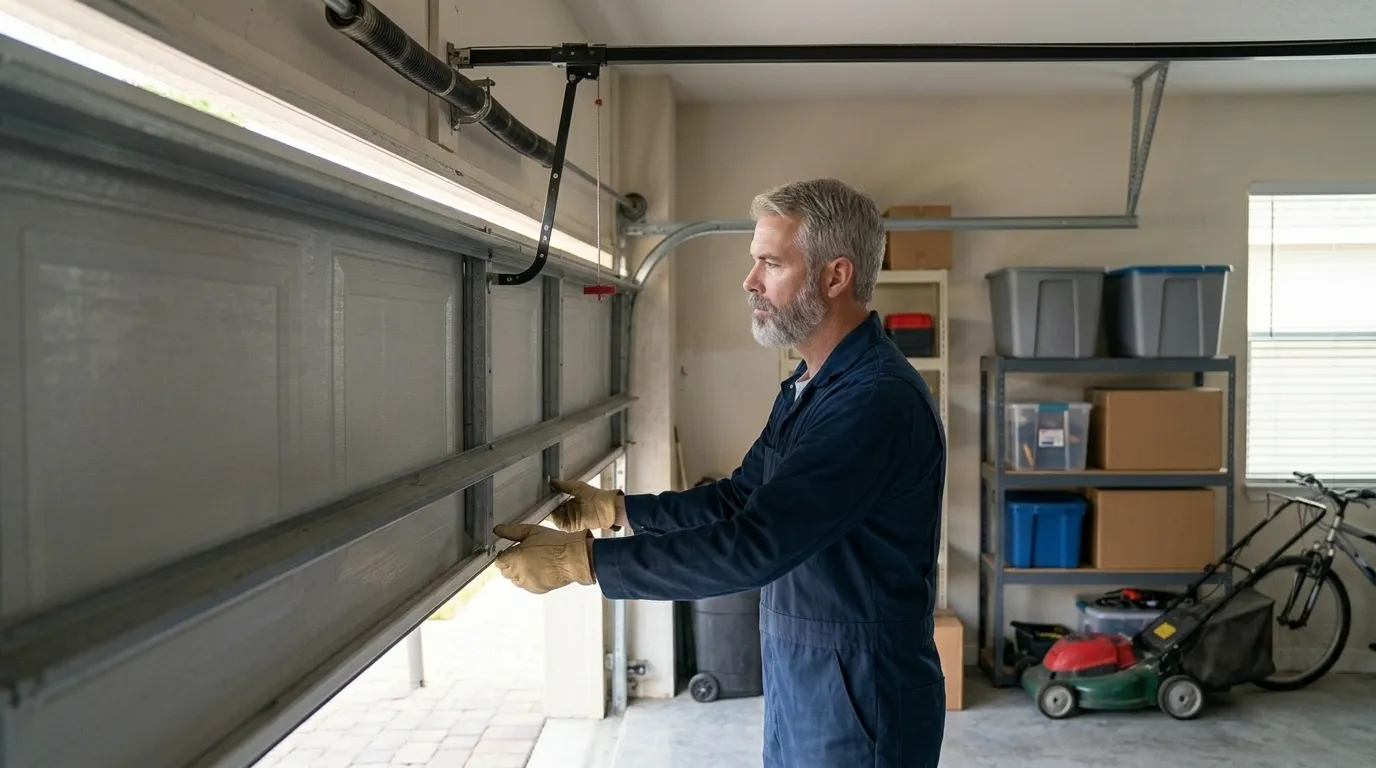
Springs, cables, tracks, rollers, and openers fixed by a tech who explains the problem before touching anything.
Learn more →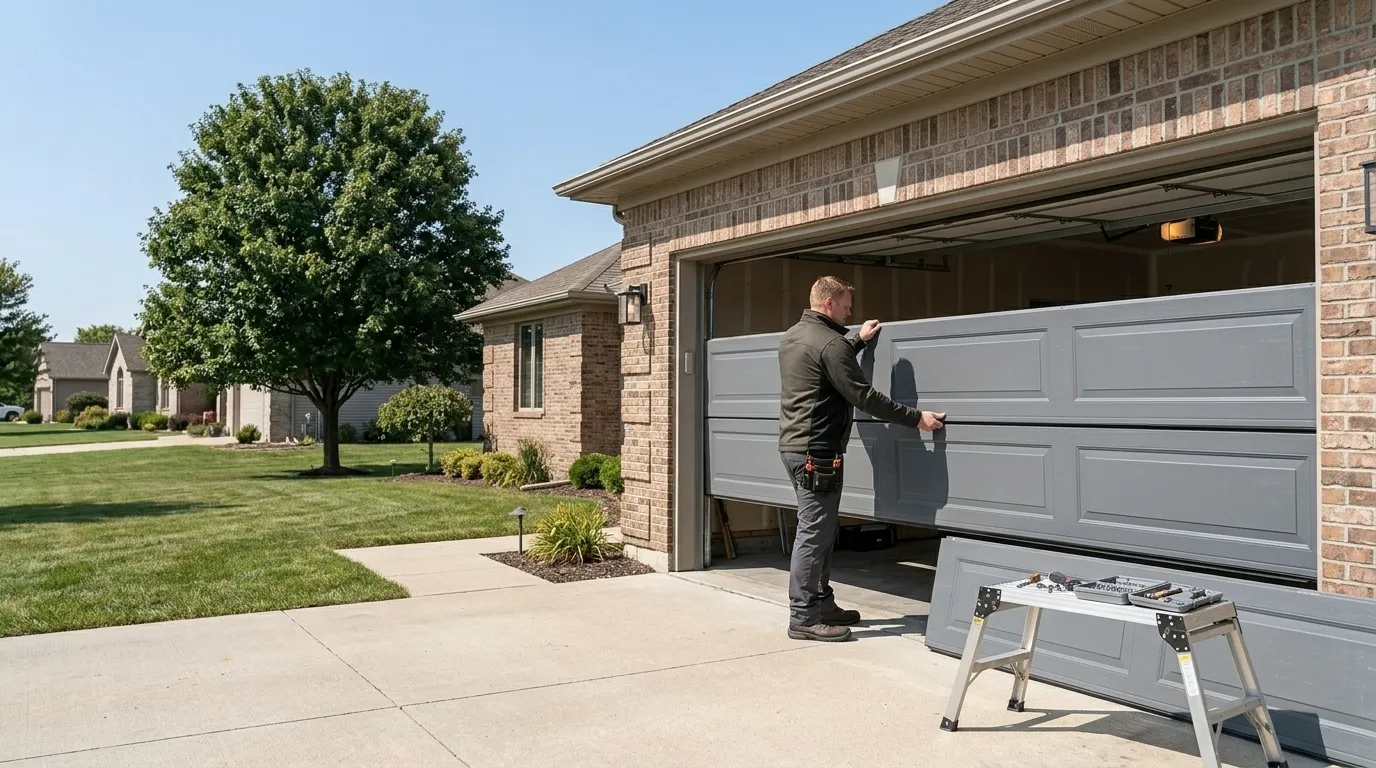
Garage Door Installation
New sectional doors sized and installed for the housing stock actually built in this area.
Learn more →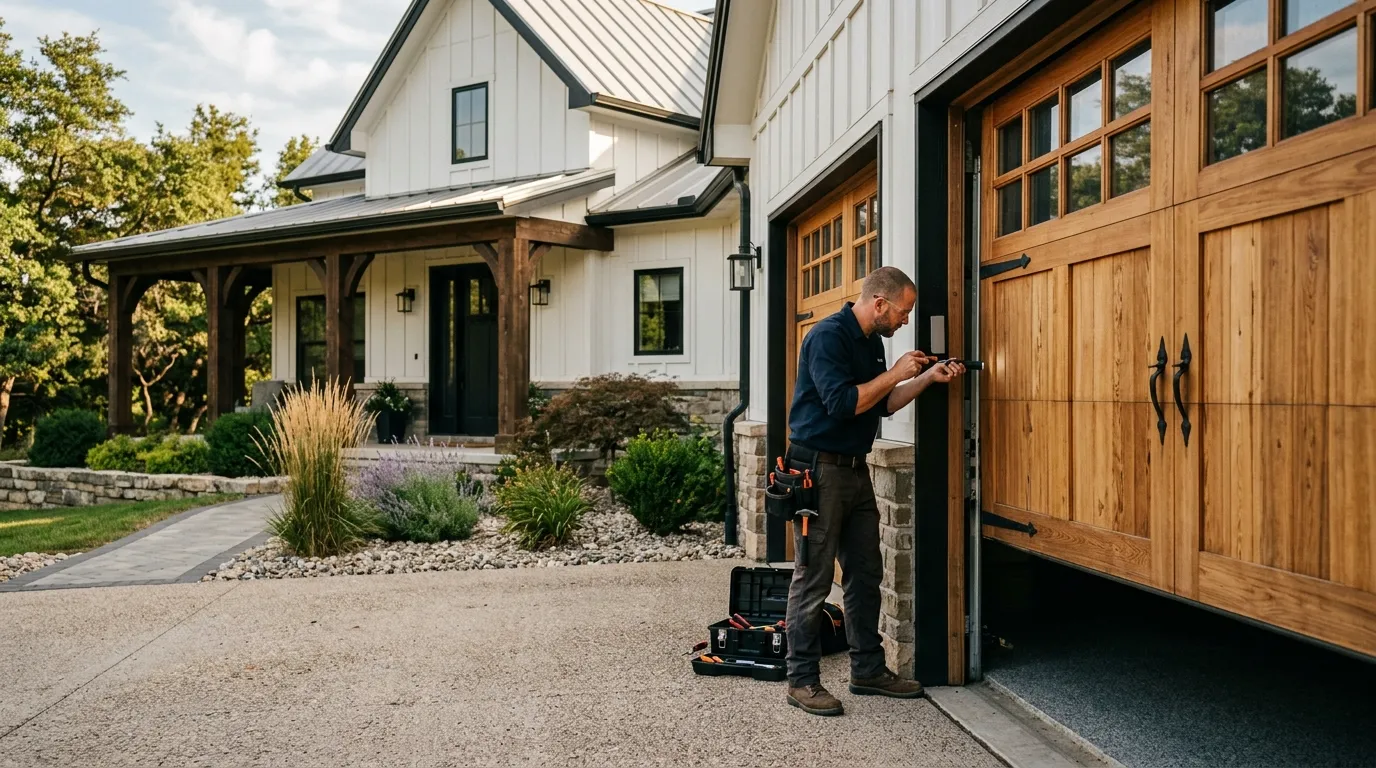
Garage Door Service
Tune-ups, lubrication, and safety checks that catch a small problem before it becomes a service call.
Learn more →Frequently Asked Questions
How do I know if my garage door has any insulation at all?
Look at a cut edge or a spot where the panel is scratched through to bare metal. If you see foam behind the steel skin, it's insulated to some degree. If it's just an air gap between two thin metal skins, it isn't. Houses built in Oswego before insulated doors became common are the most likely to have this.
Can you add insulation to my existing door?
Not to the panel itself if it wasn't built with a foam core - that's not something we can retrofit into a solid steel skin. What we can do is improve weatherstripping and seals around the door, which helps some, but if the panel is the real gap, replacement is the honest fix.
Is it worth replacing an old door just for insulation?
If the garage shares a wall with living space, or you use it as a workshop in winter, yes - the difference in comfort and heating cost is real in a climate this cold. If it's a detached garage you rarely use in winter, it may not pay for itself as fast.
Does the age of my house tell you much about my door?
Yes, roughly. Houses in the Oswego area were mostly built between 1958 and 2003, with 1986 as the median year. The older end of that range typically got doors with no insulation at all; the 1980s and 90s builds are more likely to have a thin foam core.
Have a Door That Needs a Second Opinion?
Call and describe what it is doing - we will tell you what it likely is.